
What’s Driving the DRAM Shortage – And What It Means for Transportation Technology
 4 min. Read
• Posted
07/23/2026
by
Todd Kreter
4 min. Read
• Posted
07/23/2026
by
Todd Kreter
Across industries, organizations are contending with longer lead times and limited supply for advanced electronic systems. These limited supplies include memory devices, power circuitry and hard disk drives. The major driver? The explosive growth of AI and AI data centers.
Training and running large AI models requires massive amounts of High-Bandwidth Memory (HBM) and enterprise-grade processors. Data centers are consuming the vast majority of HBM production, making it harder for other electronic device makers to source parts, all the while driving up prices.
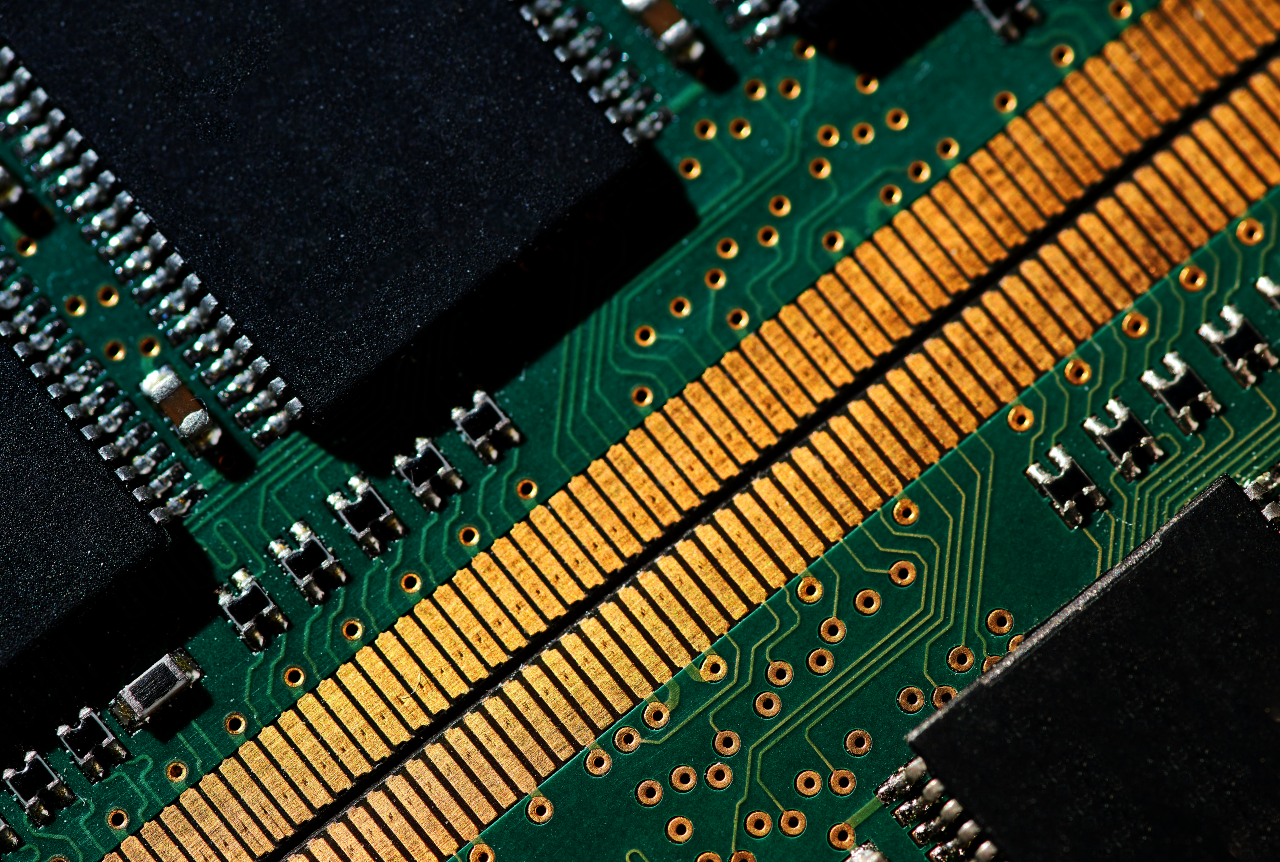
One of the most impacted areas is DRAM’s (Dynamic Random Access Memory). The current global shortage of DRAM (Dynamic Random Access Memory), a critical component that powers high-performance computing platforms and the digital infrastructure that makes up almost all modern operations.
While this challenge is discussed often in the context of consumer electronics and automotive systems, it also has implications for transportation infrastructure. Modern traffic detection, analytics, and AI-enabled systems depend on the same underlying technologies and on many of the same memory components.
Understanding the Shortage
The current DRAM shortage is not the result of one singular issue, it’s the convergence of many sustained global demand and structural supply disruptions.
Demand for High Bandwidth Memory (HBM) has accelerated globally, driven by rapid growth in AI technologies. Manufacturers are prioritizing HBM over DRAM because of strong demand and higher profitability, and because production capacity for advanced memory components is finite, this allocation shift has contributed to the current shortage.
DRAM production also requires a highly specialized fabrication process, which means it can take years for product to reach the market. Even as new investments are made to close the gap, the timeline to bring additional capacity online is likely to span years, not months. The result is a supply environment that stays limited, despite strong and growing demand.

Implications for Transportation Systems
For transportation agencies, this dynamic primarily affects the timing and availability of advanced systems.
Solutions like Vantage Apex® and Vantage Node are powered by sophisticated, embedded AI models and are designed to process complex, high-volume data in real time, supporting accurate detection of vehicles, pedestrians, and cyclists across a range of conditions. Delivering that level of performance requires robust processing architectures, including high-speed memory components like DRAM.
Limited availability of these components can lead to extended manufacturing timelines.
Although this does not impact the performance or capabilities of the system itself, it does affect how quickly those systems can be delivered.
How Iteris is Approaching It
At Iteris, our focus is on maintaining system reliability while navigating these external challenges.
We’re working closely with our supply chain partners to manage component availability and mitigate disruptions where possible. To ensure agencies remain operational, we are prioritizing support for existing deployments and collaborating with customers to plan future deployments aligned with current supply realities.
Transparency and proactive planning are critical in this environment, and we are committed to both.
What To Expect Going Forward
There are positive indicators that supply conditions will improve over time as additional manufacturing capacity comes online. But the pace of supply normalization remains uncertain, especially considering the continued growth in demand for advanced computing technologies.
In the near term, organizations that plan ahead and maintain flexibility in deployment timelines will be best positioned to navigate these conditions.
Final Thoughts
As transportation infrastructure becomes increasingly data-driven, connected, and performance-intensive, the demands on supporting systems continue to rise. While near-term supply pressures like the DRAM shortage persist, the use of high performance systems for traffic safety ultimately reinforce the importance of advancing the underlying technology.
Looking ahead, the trajectory is clear: investing in intelligent infrastructure will unlock meaningful progress for agencies and the communities they serve.

 X
(Twitter)
X
(Twitter)
 Facebook
 LinkedIn
 Copy
Link
Copy
Link Email
EmailRelated Posts

Prep for and Manage Back-to-School Congestion Changes with Iteris ClearGuide
4
min. Read
• Posted
08/25/2026
by
Jeff Venables

Watch: Why the Future of Transportation Depends on Hardware and Software Working Together
2
min. Read
• Posted
08/11/2026
by
Ahmad Jawad

ITS America 2026: Real Conversations, Real Momentum and What Comes Next
3
min. Read
• Posted
06/23/2026
by
Mike Plata