
TSP and EVP Explained: Busting 4 Common Myths
 2 min. Read
• Posted
12/02/2025
by
Jeff Venables
2 min. Read
• Posted
12/02/2025
by
Jeff Venables
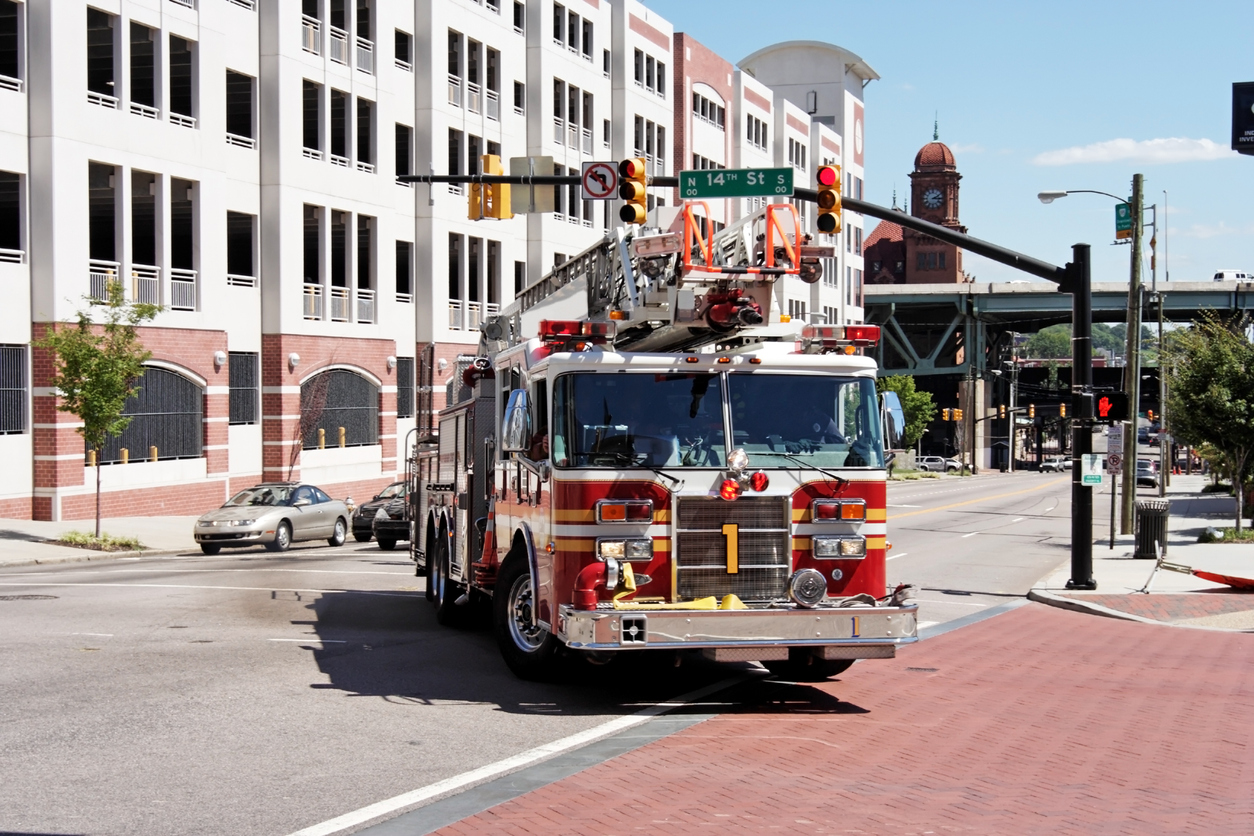
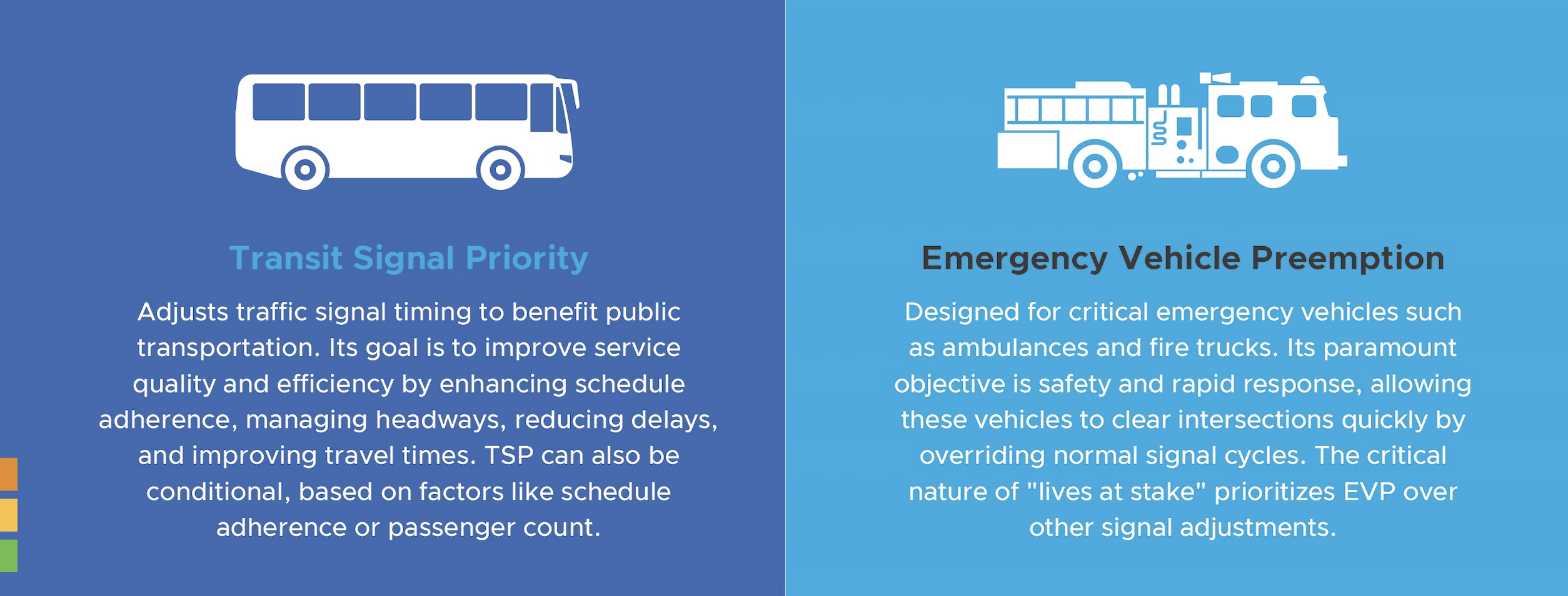
Traffic signal technology plays a vital role in keeping people and vehicles moving efficiently and safely. Two commonly misunderstood tools—Transit Signal Priority (TSP) and Emergency Vehicle Preemption (EVP)—are often mistaken for one another. This blog breaks down the key differences between them and tackles four persistent myths that continue to cause confusion.
MYTH #1
Traffic signal priority and preemption cause significant gridlock for general traffic.
Fact: Traffic engineers use tools like VantagePriority to actively balance priorities, integrating these systems to manage overall traffic flow and minimize disruption while optimizing specialized vehicle movement.
MYTH # 2
These advanced systems are too complicated and unreliable for practical implementation.
Fact: Modern systems offer flexible options and redundancy, such as combined GPS/cloud and connected vehicle approaches, to ensure high effectiveness, safety, and reliability. They also include robust monitoring and reporting capabilities.
MYTH # 3
Public transit and emergency vehicles by nature are slow to adapt and respond to the community's needs.
Fact: Emergency vehicles and public transportation often face delays due to static traffic light systems. VantagePriority offers a solution to provide approved vehicles, such as buses and other government vehicles, with automatic green lights, significantly improving response times and public transit efficiency.
MYTH #4
There is a lack of real-time visibility and control inherent in any emergency response.
Fact: By connecting intersections with live vehicle location data, VantagePriority enables cities to take control of their intersections, manage traffic flows, and provide approved vehicles with more green lights. This leads to smoother traffic, reduced congestion, and improved travel times.
 X
(Twitter)
X
(Twitter)
 Facebook
 LinkedIn
 Copy
Link
Copy
Link Email
EmailRelated Posts

Prep for and Manage Back-to-School Congestion Changes with Iteris ClearGuide
4
min. Read
• Posted
08/25/2026
by
Jeff Venables

Watch: Why the Future of Transportation Depends on Hardware and Software Working Together
2
min. Read
• Posted
08/11/2026
by
Ahmad Jawad
What’s Driving the DRAM Shortage – And What It Means for Transportation Technology
4
min. Read
• Posted
07/23/2026
by
Todd Kreter